

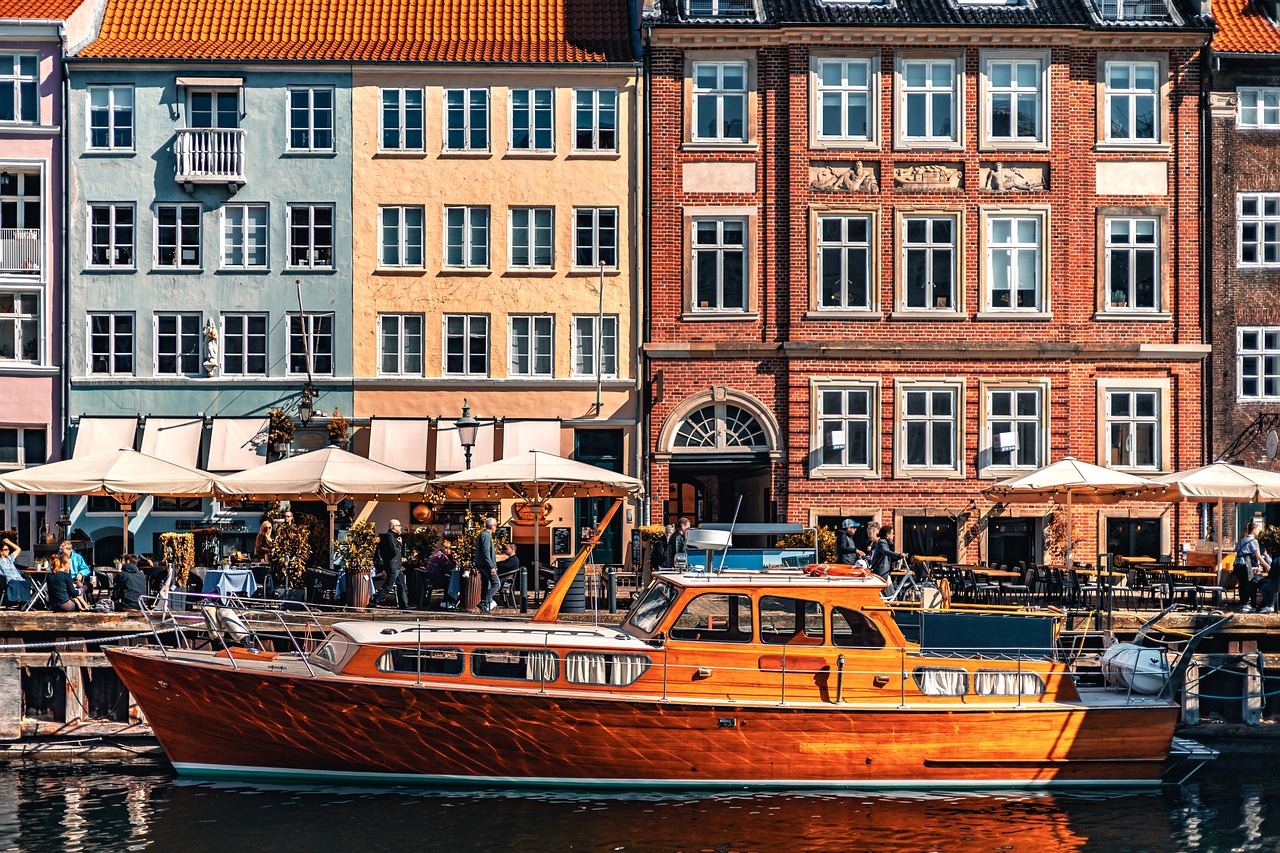
Life”>Copenhagen’s Rhythmic Pulse: Design, Efficiency, and Quality of Life
Copenhagen’s Rhythmic Pulse: Design, Efficiency, and Quality of Life
Copenhagen’s renowned design culture isn’t merely aesthetic; it’s fundamentally about optimizing the human experience, including how residents spend their time. This focus on functional design and thoughtful urban planning fosters an environment where daily life flows with remarkable efficiency, directly contributing to its high quality of life. According to Monocle’s July 2026 report, this integration of design into urban fabric ensures that everything from public transport to recreational spaces respects citizens’ time, making daily commutes shorter and leisure more accessible.
Last updated: July 23, 2026
This efficiency extends to sustainable living. The city’s extensive cycling infrastructure, for instance, reduces travel time and traffic congestion, allowing residents to reclaim hours often lost in other metropolitan areas. The design ethos prioritizes walking, biking, and public transit, creating a city where movement itself is often a pleasant, time-efficient experience rather than a chore.
Worth noting: This design-led approach impacts the perception of time, making it feel less rushed and more purposeful. Residents can allocate more time to personal pursuits, family, and community engagement, reinforcing the city’s focus on well-being.
Long-Term Visions: Planning and Anticipation of Future Events
Beyond daily rhythms, Copenhagen is a city that excels in long-term planning, particularly evident in its preparation for major events. As of July 2026, the countdown to Ironman Copenhagen is well underway, with The Jewish Link reporting 448.5 days until the event. This highlights the extensive lead time required for such large-scale international competitions, involving meticulous coordination across city services, tourism boards, and local communities.
Such events are not just about a single race day; they are part of a broader tourism strategy and urban development plan. The planning timeline includes infrastructure adjustments, volunteer recruitment, logistical support, and marketing campaigns designed to attract global participants and spectators. This foresight in event management ensures minimal disruption while maximizing economic and cultural benefits for the city.
The wrinkle here: While exciting, long-term event planning also presents challenges, from managing city resources over an extended period to ensuring sustainability goals are met. It’s a delicate balance between immediate needs and future aspirations.
Global Clocks: Copenhagen’s Connection to International Events
Even as Copenhagen maintains its local pace, it remains deeply connected to global time. The ongoing discussions about the 2026 FIFA World Cup, particularly concerns over betting irregularities and match manipulation, resonate worldwide, including in Copenhagen. Football is a global sport, and major events like the World Cup influence viewing habits and media consumption across different time zones.
For Danish football fans, understanding kickoff times relative to Central European Summer Time (CEST) is crucial. While the 2026 FIFA World Cup Final time has been widely publicized, the ongoing scrutiny over its integrity, as reported by BroBible on July 23, 2026, adds another layer of public interest. This demonstrates how even events far removed geographically can capture the city’s attention, shifting daily schedules and conversations.
Community Time: Social Progress and Local Initiatives
In Copenhagen, ‘time’ also embodies the duration and effort required for social change and community development. The situation in Mjølnerparken, a Copenhagen neighborhood historically labeled a ‘ghetto’, illustrates a community actively fighting back and reshaping its narrative. This effort, highlighted by EUobserver on July 21, 2026, speaks to the long-term commitment of residents and local organizations.
These initiatives are about reclaiming time – time for self-determination, for cultural preservation, and for building a stronger future. It reflects a shift from a top-down approach to one driven by local voices, emphasizing the importance of sustained engagement over quick fixes. The progress is measured not just in infrastructure improvements but in the strengthening of social bonds and the evolving perception of the community over time.
Community gardens, youth programs, and local cultural festivals in areas like Mjølnerparken represent investments in social time. They foster a sense of belonging and provide platforms for residents to collectively shape their environment, a process that takes years to yield profound results.
Travel and Transit: Optimizing the Journey
For visitors and residents alike, Copenhagen’s approach to travel time is a key aspect of its appeal. The city’s effectiveness as a cruising hub, as noted by Bundle in July 2026, highlights efficient transit connections and a streamlined passenger experience. Cruising from Copenhagen works well because of its strategic location, modern port facilities, and excellent integration with land-based transport.
This optimization extends to the daily commute. Copenhagen boasts one of the world’s most efficient public transportation networks, including trains, buses, and the Metro, all designed to minimize travel time and maximize convenience. This commitment to efficient movement underpins the city’s reputation as a highly livable urban center. For instance, the metro system operates 24/7, providing reliable transport at any time of day or night.
Digital Timekeeping: Modern Infrastructure and Information Flow
Copenhagen’s commitment to efficiency and visitor experience is also visible in its embrace of digital infrastructure. Copenhagen Airport, a vital gateway, is undergoing a significant digital out-of-home (DooH) overhaul, with Zetadisplay selected for the project. This initiative, reported by Sixteen:Nine in July 2026, aims to enhance passenger information flow and commercial messaging.
Modern digital signage at the airport allows for real-time updates on flight schedules, gate changes, and security waiting times, directly impacting passenger efficiency and reducing stress. This dynamic content delivery ensures that crucial information is always current, optimizing the travel experience. It’s a prime example of how technology is used to manage and communicate time effectively in a high-traffic environment.
Imagine a traveler arriving at Copenhagen Airport. Instead of static signs, dynamic digital screens guide them through check-in, security, and to their gate with up-to-the-minute information, potentially saving valuable minutes and reducing the chance of missed connections. This also enables targeted advertising based on time of day or passenger demographic.
Navigating Time in Copenhagen: Practical Considerations
Understanding Copenhagen’s time zone is the first step for any visitor or business interaction. The city observes Central European Time (CET) during standard periods and Central European Summer Time (CEST) during daylight saving, which means it’s UTC+1 and UTC+2 respectively. As of July 2026, Copenhagen is operating on CEST, which is two hours ahead of Coordinated Universal Time (UTC).
This time difference impacts everything from international business calls to planning travel itineraries. For instance, if you are coordinating with colleagues in New York (EDT, UTC-4), there will be a six-hour difference. Similarly, for those in Tokyo (JST, UTC+9), the difference can be seven hours behind Copenhagen.
Worth noting: Daylight Saving Time (DST) changes typically occur in late March and late October. Travelers should always verify specific dates for 2026 and beyond to adjust their clocks accordingly, though most modern devices do this automatically.
Challenges in Managing Copenhagen’s Time Dynamics
While Copenhagen excels in efficiency, managing its diverse ‘time dynamics’ isn’t without hurdles. The constant balance between preserving historical charm and implementing modern infrastructure requires careful temporal planning. Development projects must respect the city’s rich heritage while pushing for future-oriented solutions.
Another challenge involves integrating new technologies, like the airport’s DooH overhaul, without alienating segments of the population less comfortable with digital interfaces. Ensuring accessibility and user-friendliness across all technological advancements is a continuous effort. The long-term nature of community projects, such as those in Mjølnerparken, demands sustained funding and political will, which can fluctuate over time.
The wrinkle here: Global events, while exciting, can also strain local resources. For example, large influxes of tourists or participants for events like Ironman Copenhagen require temporary increases in public services, security, and waste management, which must be planned meticulously months in advance.
Maximizing Your Time in Copenhagen: Expert Advice
To truly experience Copenhagen in 2026, consider these expert insights. First, embrace the city’s cycling culture; it’s the most time-efficient and authentic way to explore. Rent a bike and integrate into the local rhythm, cutting down on transit times and enjoying the urban landscape.
Second, plan your itinerary around the concept of ‘hygge’ – the Danish art of coziness. This isn’t about rushing from one sight to another, but savoring moments. Allocate time for leisurely coffee breaks, canal tours, or simply relaxing in a park. It’s a deliberate slowing down that paradoxically enriches your experience of time in Copenhagen. For example, a visit to a local bakery for a pastry and coffee, enjoyed slowly, can be more memorable than a packed museum tour.
Finally, use digital tools for planning. Use apps for public transport schedules, restaurant bookings, and event tickets. This streamlines logistics, freeing up more spontaneous time. For surface-material comparisons, see our guide on choosing sustainable travel options.
Frequently Asked Questions
What is the current time zone in Copenhagen?
As of July 2026, Copenhagen is in the Central European Summer Time (CEST) zone, which is UTC+2. This means it’s two hours ahead of Coordinated Universal Time. During standard time, it observes Central European Time (CET), which is UTC+1.
Does Copenhagen observe Daylight Saving Time in 2026?
Yes, Copenhagen observes Daylight Saving Time (DST). In 2026, it transitioned to Central European Summer Time (CEST) in late March and will revert to Central European Time (CET) in late October. Specific dates align with EU regulations for DST changes.
How does Copenhagen’s time compare to GMT/UTC?
Copenhagen is typically one hour ahead of Greenwich Mean Time (GMT) during standard time (CET, UTC+1) and two hours ahead during Daylight Saving Time (CEST, UTC+2). As of July 2026, it’s two hours ahead of UTC.
What are the typical daylight hours in Copenhagen in July?
In July 2026, Copenhagen experiences long daylight hours due to its northern latitude. Sunrise typically occurs very early, around 4:30 AM, and sunset is quite late, often after 9:30 PM, providing ample time for outdoor activities.
How do major global events impact daily life in Copenhagen?
Major global events like the FIFA World Cup can impact daily life in Copenhagen by shifting viewing habits and social schedules. Local businesses, especially those in hospitality, often adjust their hours or promotions to accommodate peak viewing times for international audiences.
What is the best way to manage travel time in Copenhagen?
The most effective way to manage travel time in Copenhagen is by utilizing its excellent public transportation system (Metro, buses, trains) or by cycling. The city’s compact nature and dedicated bike lanes make cycling a fast and enjoyable option for many routes.
Conclusion
Copenhagen in July 2026 is a city where time is meticulously managed, deeply valued, and dynamically experienced. From the efficiency embedded in its urban design and the foresight in its event planning to the resilience evident in its community initiatives, the Danish capital offers a compelling narrative of how time shapes and is shaped by a vibrant society. By understanding these complex approaches to time, visitors and residents alike can better appreciate the unique pulse of this Scandinavian gem.
Information current as of July 2026.
Related read: China & Taiwan: A Critical Geopolitical Moment in 2026 Knowing how to address time in copenhagen early makes the rest of your plan easier to keep on track.
Related read: Time in China Taiwan 2026: Beyond the Shared Clock Face.