

When you encounter a speed of 300 kph, especially in an international context, the immediate question for many in countries like the United States or the United Kingdom is: ‘How fast is that in miles per hour?’ The honest answer to this question is that 300 kph is approximately 186.41 mph. This conversion is more than just a number; it’s a bridge between two predominant measurement systems that govern how we perceive, and articulate speed globally. Consider the scenario of following a high-speed car race broadcast from Europe or Japan in July 2026. Commentators might casually drop speeds like ‘300 kph’ as vehicles blast down a straightaway. Without a quick mental conversion, that speed remains an abstract concept for many, lacking the tangible feel of ‘miles per hour’ that’s ingrained in their driving experience. Understanding this direct conversion is vital not only for enthusiasts but for anyone navigating a world where metric and imperial units coexist.
The Core Conversion Formula: KPH to MPH
The process of converting kilometers per hour (kph or km/h) to miles per hour (mph or mi/h) relies on a straightforward mathematical relationship. One kilometer is roughly 0.621371 miles. This conversion factor is the bedrock of translating metric speed into its imperial counterpart. To convert any speed from kph to mph, you simply multiply the kph value by this factor. For 300 kph, the calculation is: 300 kph × 0.621371 = 186.4113 mph. For practical purposes, rounding to two decimal places, such as 186.41 mph, is usually sufficient. This formula applies universally, whether you’re converting a modest 50 kph (around 31 mph) or a blistering 400 kph (approximately 248.55 mph). It’s a fundamental tool for anyone dealing with international speed measurements, from vehicle engineers to global travelers.
Why Different Speed Units? Metric vs. Imperial
The existence of both kilometers per hour and miles per hour stems from the historical development and adoption of different measurement systems worldwide. The metric system, which uses kilometers, is the dominant system globally, used by the vast majority of countries. Conversely, the imperial system, which uses miles, is primarily used by the United States, Liberia, and Myanmar. The United Kingdom, while officially metric, still uses miles for road distances and speed limits. This dual usage creates a consistent need for conversion, especially in areas like automotive manufacturing, international sports, and travel advisories. The divergence isn’t merely about units; it reflects distinct cultural and historical paths. The metric system, born out of the French Revolution, aimed for a rational, decimal-based system, while the imperial system evolved from older English units. Understanding this background helps appreciate why these conversions remain so relevant today, as of July 2026.
Real-World Implications: What 300 kph Actually Means
A speed of 300 kph (186.41 mph) is incredibly fast. It’s a benchmark often associated with elite performance and advanced engineering. For instance, the Bugatti Chiron, one of the world’s fastest production cars, can exceed this speed, reaching over 400 kph (about 248 mph). On the track, Formula 1 cars routinely hit speeds well over 300 kph during races. Beyond cars, high-speed rail networks, particularly in Europe and Asia, operate at or above this velocity. Japan’s Shinkansen and France’s TGV trains regularly transport passengers at speeds approaching or exceeding 300 kph. This highlights how such speeds are not just theoretical but are part of everyday modern infrastructure in many parts of the world. Worth noting, these trains are designed with advanced safety systems to handle such velocities. In real terms, traveling at 300 kph means covering the length of three football fields every second. It’s a speed that demands absolute precision in engineering and unwavering focus from operators.
Mental Math and Quick Approximations
While a calculator provides precise conversions, there are times when a quick mental approximation for kph to mph is incredibly useful. A common rule of thumb is to multiply the kph value by 0.6. This is a slightly less accurate but very fast way to get a ballpark figure. For 300 kph, applying this quick method yields: 300 kph × 0.6 = 180 mph. This is close enough for many casual situations, like quickly grasping speed limits while driving abroad or understanding a news report without needing exact figures. The wrinkle here is that it underestimates the actual speed slightly, which could be a safety concern if used for critical decisions. Another method is to divide kph by 5 and then multiply by 3, which is roughly equivalent to multiplying by 0.6. For instance, 300 / 5 = 60, and 60 3 = 180 mph. While these mental shortcuts are handy, always revert to the precise factor (0.621371) for critical applications.
Accuracy Matters: When to Be Precise
For most day-to-day understanding, a quick approximation of 300 kph to 180 mph might suffice. However, in specific contexts, precision is paramount. Consider legal speed limits: a difference of a few miles per hour can mean the difference between compliance and a significant fine. Vehicle manufacturers, for example, must adhere to extremely precise specifications for speedometers and performance metrics, often measured to several decimal places. In scientific research, aerospace engineering, or competitive racing, even small rounding errors can compound, leading to substantial inaccuracies or safety risks. For instance, designing a high-speed vehicle’s aerodynamics requires conversions that are exact to ensure simulations and real-world performance match. According to a 2025 study by the International Standards Organization (ISO), maintaining high precision in unit conversions is critical for preventing engineering failures in cross-border projects. 300 KPH to MPH: Unlocking High-Speed Conversions in 2026 Therefore, while mental math has its place, always confirm with a calculator or conversion tool for any scenario where accuracy directly impacts safety, legality, or financial outcomes.
How Speedometers Handle Dual Units
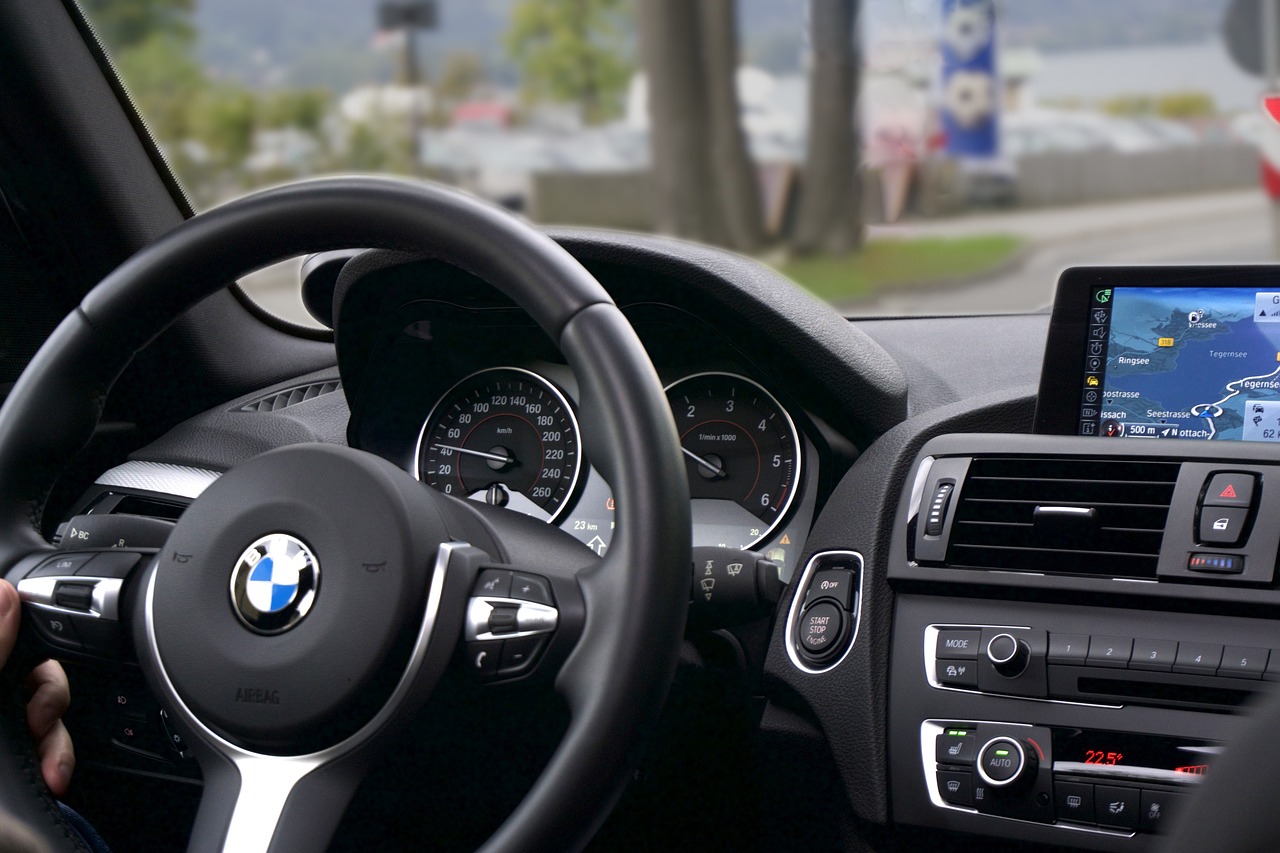
Many modern vehicles, especially those sold internationally, feature speedometers that display both kph and mph. This is a practical solution to the global unit divide. Typically, the primary unit (e.g., mph in the US, kph in Europe) is larger and more prominent, with the secondary unit shown in smaller print or an alternative color. Digital speedometers often allow drivers to switch between kph and mph with a simple button press or through a menu setting. This flexibility is a significant benefit for travelers or individuals who frequently drive in areas with different speed limit conventions. For example, a driver crossing from Canada (kph) into the US (mph) can easily adapt their speedometer display. In older vehicles, or those designed primarily for one market, a separate sticker or overlay might be needed to provide the secondary unit. This highlights the ongoing challenge and practical solutions for managing speed unit differences in the automotive world as of 2026.
Comparison Table: Quick vs. Precise Conversion
| Method | Conversion Factor | Result for 300 kph | Accuracy Level | Best Use Case |
|---|---|---|---|---|
| Precise Calculation | Multiply by 0.621371 | 186.41 mph | High | Legal, Engineering, Official Documentation |
| Mental Approximation | Multiply by 0.6 | 180 mph | Medium (slight underestimate) | Quick Reference, General Understanding |
| Divide by 8, Multiply by 5 | (KPH / 8) 5 | 187.5 mph | Medium (slight overestimate) | Another Mental Shortcut (Less Common) |
Common Mistakes in Speed Conversion
One of the most frequent errors in converting kph to mph, or vice versa, is simply using the wrong conversion factor. Sometimes people confuse the conversion from kilometers to miles (0.621) with a different unit conversion or use an overly simplified approximation when precision is required. This can lead to significant discrepancies, especially at higher speeds. Another common mistake is forgetting the context. For example, knowing that 300 kph is 186 mph is one thing, but understanding what that means for fuel consumption, braking distances, or safety margins is another. Simply performing the arithmetic without considering the real-world implications can lead to poor judgment, particularly when interpreting international road signs or vehicle specifications. Finally, misreading a speedometer can also lead to errors. Always double-check whether the large, primary numbers on a dial are kph or mph to avoid inadvertently miscalculating your speed. This is especially true when driving a rental car in a foreign country.
Tips for smooth Speed Understanding
To truly master speed understanding in both metric and imperial systems, integrate a few best practices. First, familiarize yourself with key benchmarks. Knowing that 100 kph is roughly 60 mph, and 200 kph is about 120 mph, provides a valuable framework. This makes 300 kph (186 mph) easier to contextualize. Second, when traveling internationally, always check local speed limits and ensure your vehicle’s speedometer is set to the appropriate unit. Many GPS systems and navigation apps can also display speed in your preferred unit, offering an additional layer of verification. For instance, Waze and Google Maps allow users to customize unit display as of July 2026. Finally, for any critical application—be it engineering, legal documentation, or professional racing—always use a precise conversion calculator or reference tool. Relying on memory or quick approximations in these scenarios can introduce avoidable errors. For broader understanding of measurement systems, explore.
Frequently Asked Questions
What is the exact conversion factor from kph to mph?
The exact conversion factor is 0.621371. To convert kilometers per hour to miles per hour, you multiply the kph value by this number. This ensures a precise translation between the two units of speed measurement.
How can I quickly estimate 300 kph in mph without a calculator?
A quick estimate for 300 kph is to multiply it by 0.6, which gives you 180 mph. While not perfectly accurate (the precise answer is 186.41 mph), it provides a good ballpark figure for general understanding.
Which countries use kph and which use mph for speed limits?
Most countries worldwide, including those in Europe, Asia, and Canada, use kph for speed limits. The United States, Liberia, and Myanmar primarily use mph. The United Kingdom uses mph for road signs but officially uses the metric system for most other measurements.
Is 300 kph a dangerous speed for a car?
Yes, 300 kph (186.41 mph) is an extremely high speed for a road vehicle. It pushes the limits of most cars’ design, tire capability, and driver reaction times. Such speeds are typically only safely attainable on specialized racetracks or in very specific, controlled conditions.
Why is it important to understand both kph and mph?
Understanding both kph and mph is crucial for international travel, interpreting global news, understanding vehicle specifications, and engaging with content from different regions. It bridges the gap between metric and imperial systems, promoting clarity and safety in a globally connected world. Converting 300 kph to mph is more than a simple numerical exercise; it’s a practical skill for navigating our interconnected world. By understanding the precise conversion factor and its real-world implications, you gain a clearer perspective on global speeds, whether you’re following a race, reading international news, or planning a trip. Always prioritize accuracy, especially when safety or legal compliance is at stake. Information current as of July 2026.