

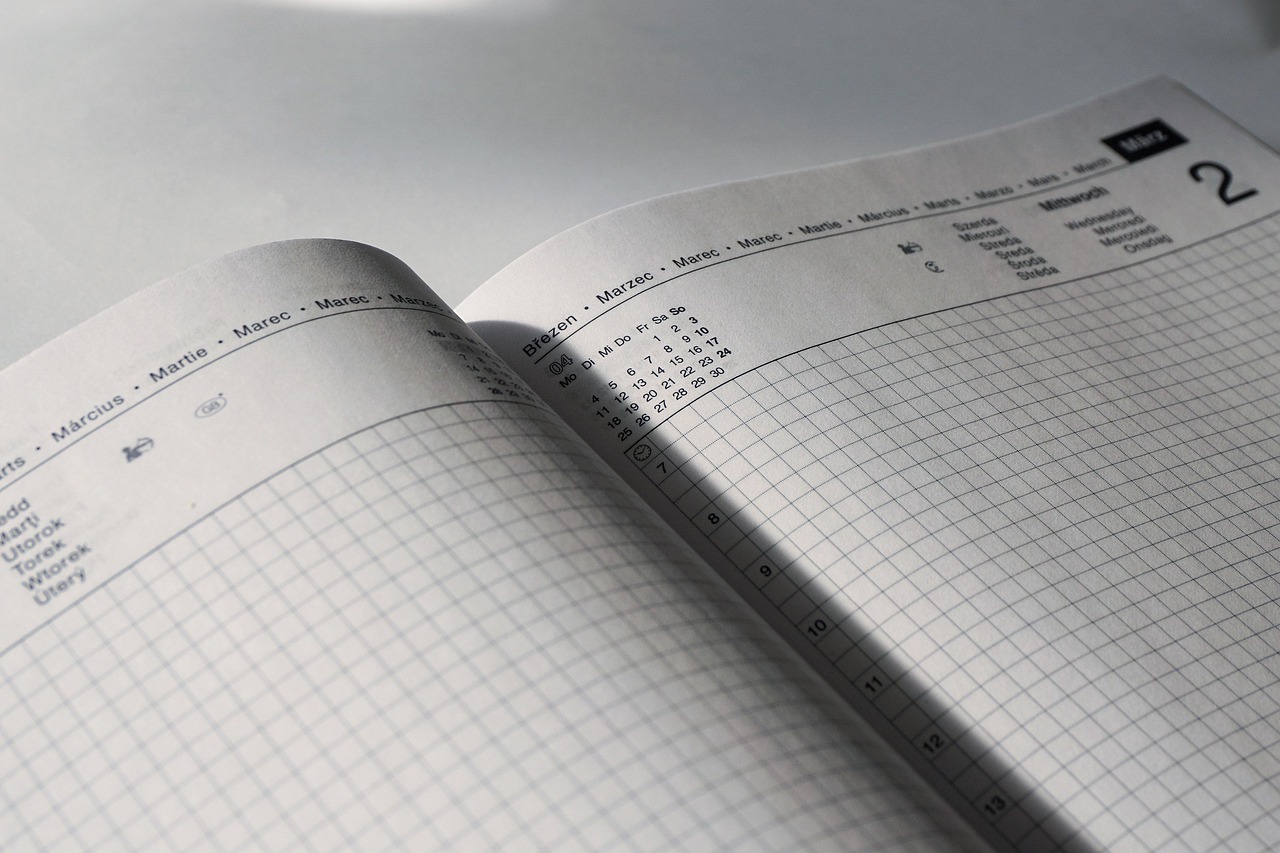
Most individuals and businesses underestimate the strategic value of this specific period. Instead of merely counting down, using these months effectively can significantly impact year-end results, setting the stage for a strong start to the new year. The wrinkle here: these months often accelerate, making proactive planning essential.
Key Takeaways
- As of August 3, 2026, there are 3 full months and 28 days until December 1, 2026.
- This period (August-November) is crucial for strategic year-end business, financial, and personal planning.
- Break down large December goals into monthly or weekly sprints to maintain momentum.
- Avoid common pitfalls like procrastination, unrealistic goal setting, and neglecting contingency planning.
- Use these months for critical reviews, adjustments, and proactive preparations for the holiday season and Q4 close.
Understanding the December Countdown
222 Calculating the precise number of months until December, specifically from August 3, 2026, involves simple arithmetic but carries significant implications. You’re looking at the remaining days of August, followed by three full calendar months: September, October, and November. How many months until december gives you a finite, actionable window for focused effort. Worth noting, this countdown isn’t just a numerical exercise; it’s a mental framework. Recognizing this specific duration can trigger focused activity, whether for personal milestones or critical business objectives. For many, the approach of December signals year-end reviews, holiday preparations, and financial closes.
Why the Months Until December Matter for Planning
222 This specific timeframe, often referred to as Q4 for businesses, is uniquely impactful. It’s a period marked by increased consumer spending, year-end financial pushes, and a scramble to meet annual targets. For individuals, it often means holiday preparations, personal goal reviews, and potentially navigating colder weather or travel. In real terms, companies often allocate a substantial portion of their marketing budget to Q4, anticipating higher sales volumes. According to a 2025 retail outlook report, nearly 40% of annual retail sales occur in the last three months of the year, underscoring the importance of this window for commercial success. Missing this window means missing significant opportunities. <figure class="saap-inline-img" style="margin:20px 
using the Q4 Acceleration Framework
222 Instead of viewing the months until December as a passive countdown, consider adopting a “Q4 Acceleration Framework.” This involves breaking down larger year-end goals into smaller, manageable monthly sprints. For instance, if a business aims to increase sales by 20% by December 31st, they might target a 5-7% increase each month from September through November. This framework applies equally to personal goals. If your aim is to declutter your home before the holidays, September could focus on the kitchen, October on bedrooms, and November on common areas. The key is structured, consistent action rather than last-minute rushes.
Strategic Financial Moves Before Year-End
222 For those in finance or managing personal budgets, the months leading up to December are critical for year-end adjustments. This might involve maximizing tax-advantaged contributions, rebalancing investment portfolios, or settling outstanding debts. Many financial advisors recommend reviewing your budget and investment strategy by early October to allow time for implementation. For instance, if you plan to make a significant charitable donation for tax purposes in 2026, doing so by November ensures proper processing before the December 31st deadline. Consult with a financial professional for personalized advice.
Project Management and Deadline Adherence
222 Project managers often face a surge in activity as the year closes. The pressure to complete projects before year-end holidays or budget resets intensifies. Using the “months until December” as a project milestone is a solid approach. Consider a software development team aiming to launch a new feature before year-end. They might schedule user acceptance testing (UAT) for early November, allowing the remainder of the month for bug fixes and final deployment. This granular planning avoids the chaotic rush often seen in late December.
Common Mistakes to Avoid in Year-End Planning
222 Despite the clear timeline, several common mistakes derail effective year-end planning:
Procrastination and Delay
333 The biggest pitfall is simply waiting. Believing there’s ample time, many delay crucial tasks until late November, only to find themselves overwhelmed. The illusion of four months can quickly turn into four weeks.
Unrealistic Goal Setting
333 Setting overly ambitious goals for a short period without breaking them down leads to burnout and failure. A massive sales target without a clear monthly strategy is an example. Goals should be SMART: Specific, Measurable, Achievable, Relevant, and Time-bound.
Neglecting Contingency Planning
333 Life and business rarely go exactly as planned. Failing to build in buffers for unforeseen delays, illnesses, or market shifts is a recipe for stress. Always have a Plan B for critical tasks.
Tips for Maximizing the Months Before December
222 To genuinely make the most of the remaining time, consider these expert insights:
- Conduct a Mid-Year Review (August): Even though it’s late in the year, take time in August to review your annual goals. Identify what’s on track, what needs acceleration, and what might need to be deferred. This honest assessment is vital.
- Prioritize Ruthlessly (September): With limited time, focus on 2-3 high-impact goals that will move the needle most for your year-end objectives. Defer or delegate less critical tasks.
- Schedule Dedicated Work Blocks (October): Block out specific, uninterrupted time in your calendar each week for your priority tasks. Treat these as non-negotiable appointments.
- Pre-schedule Holiday Tasks (November): Before the actual holiday rush, identify and complete as many holiday-related tasks as possible in November – gift buying, travel arrangements, meal planning. This frees up December for execution.
- Use Automation: For recurring tasks like financial reporting or social media scheduling, set up automation tools. This saves valuable time during a busy period.
Real-World Planning Scenarios
222 Consider two distinct scenarios demonstrating effective use of the “months until December”:
Small Business Owner: E-commerce Holiday Push
333 Sarah, an e-commerce entrepreneur, knows the importance of the holiday season. In August 2026, she began planning her Q4 marketing campaigns, identifying new product lines to feature. September was dedicated to finalizing product inventory and photography. In October, she launched early bird promotions and scheduled her email campaigns for November, aiming to capture early holiday shoppers. By November, her focus was on customer service and fulfillment, ensuring a smooth December. Her projected sales increase was set at 30% for Q4, a target that became achievable through this structured approach.
Individual: Career Development & Financial Savings
333 Mark, a marketing professional, aimed to complete an industry certification and boost his emergency savings by an additional $2,000 before year-end. In August, he enrolled in the certification course, setting aside 10 hours per week for study. For his finances, he automated a $500 monthly transfer to his savings account starting in September, ensuring he’d hit his target by December. He also scheduled his annual performance review prep for late October, allowing time for feedback and goal adjustments. <figure class="saap-inline-img" style="margin:20px 
Frequently Asked Questions
How many full months are there until December 1, 2026?
As of August 3, 2026, there are 3 full calendar months (September, October, November) until December 1, 2026. You also have the remaining 28 days of August.
Last updated: August 3, 2026
What is the best way to start planning for December goals?
Begin by reviewing your annual goals and identifying what needs to be accomplished by year-end. Break these down into smaller, actionable tasks for each remaining month. Prioritize high-impact items and allocate specific time blocks for their completion.
Can I still achieve significant goals if I start planning in August for December?
Absolutely. Four months is a substantial period for focused effort. By creating a realistic, phased plan and staying consistent, you can make significant progress on both personal and professional objectives before December arrives.
How do businesses typically approach the months leading up to December?
Businesses often treat this period as Q4, focusing heavily on sales, marketing, and year-end financial closes. Strategic planning includes inventory management, holiday campaign launches, budget reviews, and setting targets for the upcoming year.
What are some digital tools to help manage the December countdown?
Project management tools like Asana or Trello can help visualize tasks and deadlines. Calendar apps like Google Calendar or Outlook Calendar are essential for scheduling. Financial tracking apps can monitor progress towards savings or revenue goals.
What should be my primary focus in November before December?
November should focus on finalizing critical tasks, wrapping up projects, and performing last-minute checks. For personal planning, it’s ideal for pre-holiday preparations. For businesses, it’s about solidifying Q4 performance and beginning strategic planning for the next fiscal year.
Conclusion
222 Understanding how many months until December from August 2026 isn’t just a simple calculation; it’s an invitation to strategic action. The remaining 3 months and 28 days offer a powerful window for accelerating progress on financial, business, and personal goals. By avoiding common planning pitfalls and adopting a structured approach, you can ensure December arrives with accomplishments rather than regrets.
Information current as of August 2026; pricing and product details may change.
Related read: 2000 Days to Years: Strategic Planning for Your Next 5.5 Years.
Source: Britannica.
For readers asking “How many months until december”, the answer comes down to the specific factors covered above.
Related read: GMT-4 Time Now: Your Essential Guide to Atlantic Standard Time 2026.