

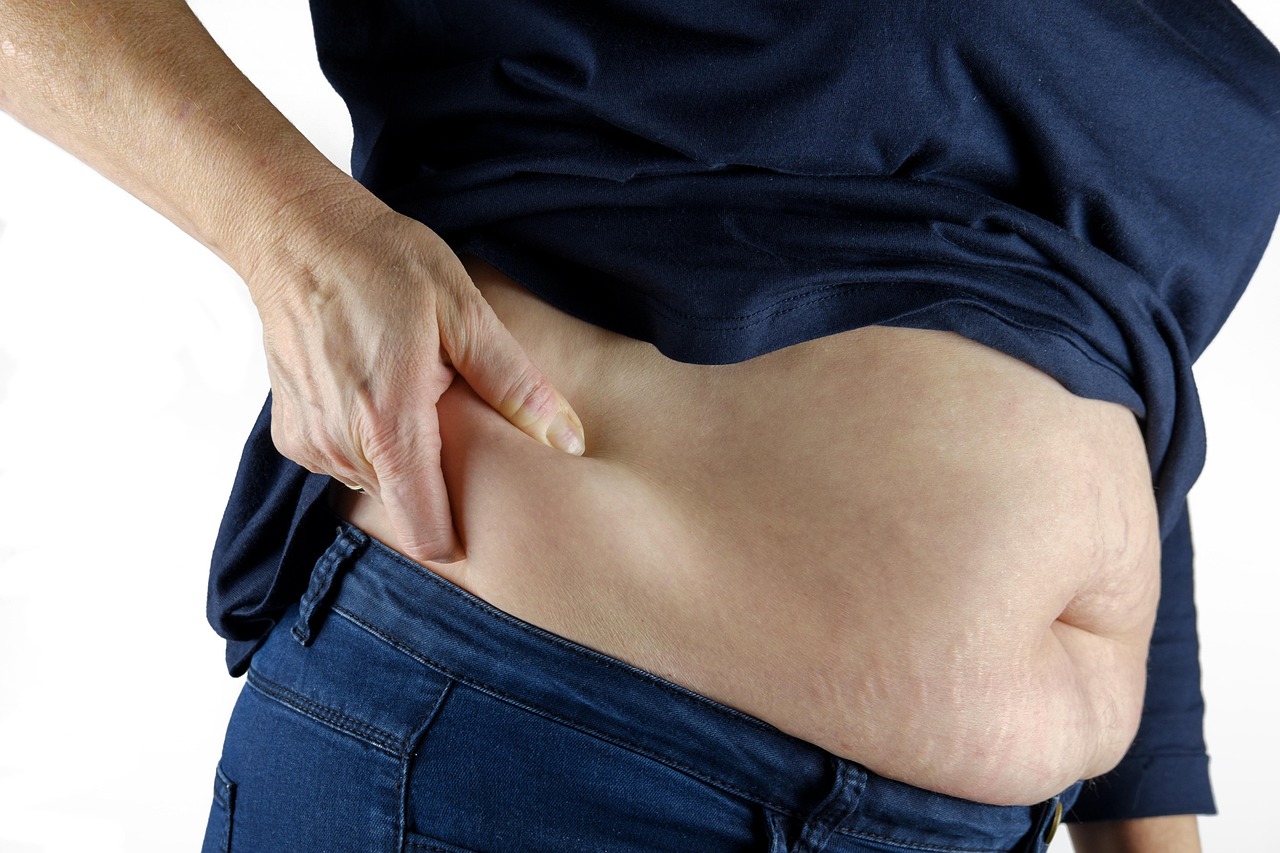
The honest answer to understanding your body composition in the U.S. Army starts with the official Army Body Fat Calculator. As of July 2026, this tool remains central to the Army Body Composition Program (ABCP), directly impacting a soldier’s career trajectory, and overall physical readiness. Most soldiers and recruits spend valuable time guessing or relying on outdated information; here’s why knowing the precise, current standards is non-negotiable.
Key Takeaways
- The Army Body Fat Calculator relies on the AR 600–9 one-site tape test method, updated in 2026 for improved efficiency.
- Accurate measurement is paramount, requiring strict adherence to official protocols for consistency and fairness.
- Failing to meet body fat standards can lead to enrollment in the ABCP, impacting career progression and deployment opportunities.
- Effective strategies for body fat reduction involve a balanced approach to nutrition, tailored physical training, and sustained lifestyle changes.
- While a standardized tool, the tape test has limitations; understanding its accuracy compared to other methods is beneficial for soldiers.
Understanding the Army Body Fat Calculator in 2026
The Army Body Fat Calculator is an official tool used by the U.S. Army to estimate a soldier’s body fat percentage based on circumference measurements. This calculation determines compliance with Army Regulation (AR) 600-9, which governs the Army Body Composition Program (ABCP). The program ensures soldiers maintain a healthy body composition, critical for physical readiness and mission effectiveness.
In real terms, this calculator translates physical measurements into a percentage that the Army uses to assess whether a soldier meets the required standards. It’s not just about looking fit; its about maintaining the physical capacity needed for strenuous military duties, reducing injury risk, and promoting long-term health within the force. The standards, while stringent, are designed to support the demanding lifestyle of a soldier.
Worth noting, the methodology underpinning the army body fat calculator was significantly updated in 2026, shifting from a multi-site measurement to a more streamlined one-site tape test for most individuals. This change aimed to enhance efficiency and consistency across assessments, though its full impact is still being evaluated as of 2026.
The Shift to the One-Site Tape Test: Why It Matters Now
The U.S. Army’s transition to the one-site tape test in 2026 marked a notable change in how body fat is assessed, specifically for the abdominal circumference. This decision stemmed from a desire to simplify the process, minimize variability, and make assessments more consistent across different units and personnel. Previously, male soldiers had measurements taken at the neck and abdomen, while females included the neck, waist, and hip. The new method primarily focuses on the abdomen for males and a single waist measurement for females, alongside height and weight.
The wrinkle here: while simplifying, this change places greater emphasis on accurate abdominal measurements. For example, a male soldier previously assessed with neck and waist measurements now relies solely on their waist circumference in conjunction with height and weight. This shift means that even minor inaccuracies in measurement can significantly alter the estimated body fat percentage.
From an operational standpoint, this streamlined approach allows for faster processing during large-scale assessments, such as those conducted during physical readiness evaluations. However, it also means that soldiers must be exceptionally diligent in maintaining appropriate body composition, as there are fewer measurement sites to average out potential fluctuations or inconsistencies. Understanding the specific nuances of this updated protocol is key to successful compliance in 2026.
How to Accurately Measure for the Army Body Fat Test
Accurate measurement is the cornerstone of a fair and reliable army body fat calculator result. For male soldiers, the key measurement is the circumference of the abdomen. The tape should be placed horizontally around the abdomen at the navel (belly button), ensuring it’s level and snug without compressing the skin. Take the measurement at the end of a normal exhalation.
For female soldiers, the new one-site test focuses on the narrowest part of the natural waist. This is typically located between the bottom of the rib cage and the top of the hip bone. Similar to males, the tape must be horizontal, snug, and measured at the end of a normal exhalation. For both genders, ensure the tape measure is non-elastic and that measurements are taken three times, with the average rounded to the nearest half-inch. Consistency is crucial; an improperly held tape or an incorrect breathing cycle can skew results.
Interpreting Your Results: Army Body Fat Standards by Age and Gender
Once you have your body fat percentage from the army body fat calculator, you’ll compare it against the official Army standards outlined in AR 600-9. These standards vary by age group and gender, acknowledging natural physiological differences and changes over a career. Meeting these benchmarks is a continuous requirement for all active-duty and reserve soldiers.
| Age Group | Male Max Body Fat (%) | Female Max Body Fat (%) |
|---|---|---|
| 17-20 | 24% | 33% |
| 21-27 | 26% | 34% |
| 28-39 | 28% | 36% |
| 40+ | 30% | 37% |
These maximum percentages are non-negotiable thresholds. If a soldier’s estimated body fat percentage exceeds these limits, they are considered to have failed the body composition assessment and will be enrolled in the Army Body Composition Program (ABCP). This table represents the latest standards as of July 2026, reflecting the Army’s commitment to maintaining a physically fit force.
What Happens After a “Fail”: The ABCP and Your Career Path
Failing the army body fat assessment triggers enrollment in the Army Body Composition Program (ABCP). This isn’t merely a punitive measure but a structured program designed to help soldiers return to compliance. Initial enrollment results in a DA Form 268 flag, which can temporarily halt promotions, re-enlistment, and attendance at military schools. According to the U.S. Army’s guidelines, soldiers in the ABCP are given a specific timeframe—typically 90 days—to demonstrate progress and meet the standards.
The broader impact extends beyond immediate administrative actions. Prolonged non-compliance can affect deployment opportunities, specialized assignments, and overall career progression. In my experience reviewing military personnel files, soldiers who consistently struggle with body composition often face limitations that can ultimately lead to separation from service. The program requires regular weigh-ins, nutritional counseling, and a tailored exercise plan, emphasizing a complete approach to fitness. The goal is soldier readiness, not just a number on a scale.
Strategies for Meeting and Exceeding Army Body Fat Standards
Achieving and maintaining Army body fat standards requires a disciplined and consistent approach. Generic advice often falls short for soldiers who face unique physical demands and training schedules. A key strategy is integrating targeted nutrition that supports both energy needs for physical training (PT) and promotes fat loss.
Focus on whole, unprocessed foods, lean proteins, and complex carbohydrates, while limiting sugary drinks and highly processed snacks. For instance, prioritizing protein intake can aid muscle preservation during caloric deficit. Pair this with a solid physical training regimen that includes both cardiovascular exercise to burn calories and strength training to build muscle mass, which boosts metabolism. Many soldiers find success by using existing PT programs and adding extra, focused sessions to target body composition. For instance, adding 20–30 minutes of high-intensity interval training (HIIT) 2–3 times a week can be highly effective. ABCP Calculator: Navigating Army Body Composition Standards
Beyond the Tape: Understanding Limitations and Alternatives
While the army body fat calculator is the official method, it’s important to acknowledge its limitations. Circumference-based measurements can sometimes overestimate body fat in highly muscular individuals or underestimate it in those with lower muscle mass but higher visceral fat. This is because the formula relies on general population averages, which may not perfectly capture every unique body type.
For a more precise body composition assessment, alternative methods like Dual-energy X-ray Absorptiometry (DXA) scans or hydrostatic weighing (Bod Pod) are considered gold standards. These methods provide detailed breakdowns of lean mass, fat mass, and bone density, offering a complete picture. However, these are typically not available for routine Army assessments due to cost and accessibility. The Army’s tape test, despite its limitations, remains a practical, cost-effective, and standardized method for large-scale application, and understanding its relative accuracy is part of being prepared.
Common Mistakes to Avoid During Your Body Fat Assessment
Several common errors can lead to inaccurate results with the army body fat calculator, potentially placing a soldier unfairly in the ABCP. One primary mistake is inconsistent measurement technique. This includes not keeping the tape horizontal, compressing the skin too tightly, or taking measurements at different points of the breathing cycle. Ensuring the tape is flat against the skin without digging in is crucial.
Another pitfall is improper posture. Slouching or tensing the abdominal muscles can artificially alter circumference measurements. Stand naturally upright, with feet shoulder-width apart, and relax your core. Failing to take three measurements and average them, as per AR 600-9, introduces significant error. Always ensure a certified measurer performs the assessment to minimize subjectivity. For more detailed guidance on proper form during physical assessments, see.
Expert Insights for Sustained Body Composition Management
Sustaining optimal body composition goes beyond just passing the annual assessment; it’s a lifestyle. One expert insight is to prioritize adequate sleep. Lack of sleep can disrupt hormones that regulate appetite and fat storage, making body fat reduction more challenging. Aim for 7–9 hours of quality sleep nightly to support metabolic health.
Another tip, often overlooked, is stress management. Chronic stress elevates cortisol levels, which can promote abdominal fat storage. Incorporate stress-reducing techniques like mindfulness or regular, light physical activity. Finally, consistency triumphs over intensity. Small, sustainable changes in diet and exercise yield better long-term results than drastic, temporary measures. Building these habits early in a military career ensures physical readiness becomes second nature, rather than a periodic scramble. This approach is best for long-term health, not just compliance.
Frequently Asked Questions
What is the Army Body Composition Program (ABCP)?
The ABCP is a U.S. Army program established by AR 600-9 to ensure all soldiers maintain a healthy body composition. It outlines standards for height and weight, and body fat percentage, providing a framework for soldiers to meet and maintain the physical readiness required for military duties.
How often are soldiers assessed for body fat?
Soldiers are typically assessed for body fat at least twice a year, often in conjunction with the Army Combat Fitness Test (ACFT). However, assessments can occur more frequently if a soldier fails to meet height/weight screening or is showing signs of exceeding body fat standards.
Can I appeal my army body fat calculator results?
Yes, soldiers have the right to appeal their body fat assessment results if they believe there was a measurement error or if they have a medical condition affecting their body composition. The appeal process involves a re-measurement by a different team and potentially a medical evaluation.
What happens if I fail the ABCP multiple times?
Repeated failures to meet ABCP standards can lead to more severe administrative actions, including potential separation from the service. The Army emphasizes rehabilitation and support, but continued non-compliance indicates a failure to maintain military readiness standards.
Does the ACFT score affect body fat requirements?
While the ACFT and body fat assessment are separate components of physical readiness, a high ACFT score (specifically 540 or above) can provide an exemption from the initial height/weight screening. However, the body fat assessment itself is still required for all soldiers, regardless of their ACFT score.
Are there different body fat standards for special forces?
While the base AR 600-9 body fat standards apply to all soldiers, specific special forces units or roles may have additional, more stringent physical fitness and body composition requirements. These are often outlined in their specific program guidelines and are beyond the general Army regulations.
Conclusion
The army body fat calculator, grounded in the AR 600-9 regulations, is an indispensable tool for maintaining the U.S. Army’s physical readiness. Understanding the 2026 standards, mastering accurate measurement techniques, and proactively managing your body composition are not just about compliance; they are about fostering a resilient and capable fighting force. Prioritize consistent health and fitness, and you’ll not only meet the standards but excel in your military career.
Information current as of July 2026; pricing and product details may change.
Related read: Calculate Body Fat Army 2026: Mastering the One-Site Test.
Related read: Unlock Travel Efficiency: Speed and Average Speed Formulas.
Related read: 1 5/16 as a Decimal: Unlocking Precise Measurements and Calculations.